
A diamond grinding wheel should be replaced when it becomes excessively worn, develops cracks, or can no longer meet the required safety conditions. Continuing to use a damaged or expired wheel can affect grinding quality and create a serious safety risk.
Operators should pay attention to the following three conditions.
1. The Wheel Has Worn Down Beyond Its Allowable Limit
Every grinding wheel has a specified service limit. As the wheel wears, its diameter gradually decreases. Once it reaches the minimum permitted size, it should be replaced rather than used further.
One traditional replacement guideline states that a grinding wheel should be changed when its diameter is only 10 mm greater than the diameter of the mounting flange (or chuck). However, this figure should not be treated as a universal rule for all diamond grinding wheels. The actual minimum usable diameter depends on the wheel design, mounting system, machine specifications, and manufacturer's instructions.
Do not extend the service life of a wheel simply to reduce tooling costs. Excessive wear can affect grinding stability and may compromise safe operation.
2. The Wheel Shows Any Signs of Cracking
A crack is a clear warning that a grinding wheel should no longer be used.
If a crack appears anywhere on the wheel, stop the machine immediately and replace the wheel. Do not attempt to repair it or continue grinding at a reduced speed. A damaged wheel may break during operation, potentially causing serious injury or machine damage.
Before installation, inspect the wheel for visible cracks, chips, and other damage. If its condition is uncertain, do not put it into service until it has been properly checked.
3. The Wheel Has Passed Its Permitted Storage or Service Period
A newly purchased diamond grinding wheel is not automatically safe to use. Its condition can be affected by manufacturing quality, storage conditions, packaging damage, and the type of bond used.
Some grinding wheels have a defined shelf life. For example, certain resin-bonded and rubber-bonded wheels are subject to storage-period requirements. Under the applicable safety rules cited in the original guidance, these wheels must undergo a rotation test after being stored for one year before they can be used.
This requirement should not be applied indiscriminately to every diamond grinding wheel. Metal-bonded, resin-bonded, and other wheel types may have different inspection and storage requirements. Always check the product label, technical documentation, and applicable safety standards before use.
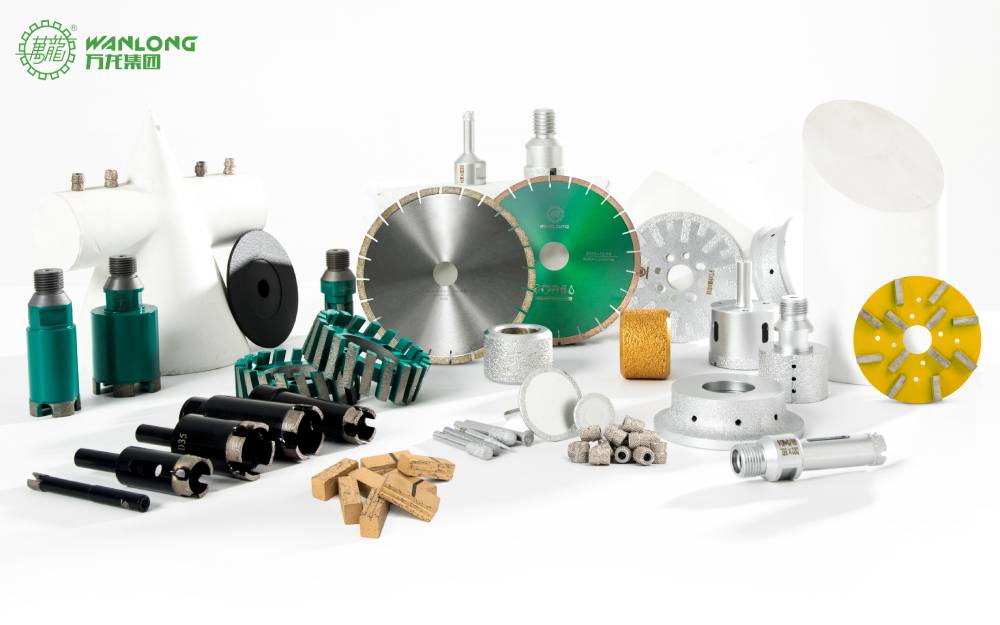
Replace the Wheel Before Wear Becomes a Safety Problem
The decision to replace a diamond grinding wheel should be based on its remaining usable diameter, physical condition, and applicable storage or inspection requirements—not simply on how much grinding work it can still perform.
Regular inspection helps operators identify wear and damage before they affect production or create a safety hazard. When in doubt, stop using the wheel and consult the manufacturer.