
A good polishing result depends on more than simply increasing polishing time or pressure. In mechanical polishing, excessive polishing can sometimes make the surface worse instead of better.
Common surface problems include an uneven orange-peel texture and small pits or pinholes on the polished surface. These defects are often related to excessive polishing pressure, excessive polishing time, heat buildup, poor surface preparation or unsuitable abrasive conditions.
Understanding the cause of the defect is the first step toward correcting it.
What Causes Problems During Mechanical Polishing?
The most common mistake when a surface does not polish properly is to increase the polishing pressure or continue polishing for longer.
This does not always improve the surface.
In some cases, excessive pressure and extended polishing time generate more heat and remove material unevenly. The result can be a rough or uneven surface instead of a smoother one.
For this reason, polishing parameters should be adjusted according to the material, abrasive and surface condition rather than simply increasing polishing intensity.
1. Over-Polishing
Over-polishing occurs when continued polishing causes the surface quality to deteriorate instead of improve.
Two common forms of surface defects associated with excessive mechanical polishing are:
● Orange-peel texture
● Pitting or small surface pits
These problems are more likely to occur when mechanical polishing generates excessive heat or when the polishing pressure and polishing time are too high.
Abrasive selection, polishing speed and the condition of the polishing tool can also affect the result.
2. Why Does an Orange-Peel Surface Appear?
An orange-peel surface is an irregular, uneven texture that makes the polished surface look rough rather than smooth.
Several factors can contribute to this problem.
Excessive Polishing Pressure
Applying too much pressure increases friction between the polishing tool and the workpiece.
The additional friction generates heat and can cause uneven material removal.
Excessive Polishing Time
Polishing for too long does not necessarily produce a better finish.
Once the surface has reached the required condition, continued polishing can increase heat and make the surface more difficult to control.
Excessive Heat
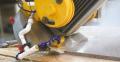
Heat generated by a polishing wheel or other mechanical polishing tool can affect the surface when cooling and process control are inadequate.
This is particularly important when working with materials that are sensitive to heat or when high pressure is used.
Material Hardness
Different materials respond differently to polishing pressure and heat.
A harder material may tolerate a higher polishing load, while a softer material can be more easily affected by excessive pressure.
The appropriate polishing time and pressure should therefore be determined according to the material and the polishing process rather than using the same settings for every job.
3. How to Correct an Orange-Peel Surface
When a polished surface begins to deteriorate, increasing the pressure or extending the polishing time is usually not the best solution.
A better approach is to remove the defective surface layer and then return to the polishing sequence.
A practical process is:
1. Identify the depth and extent of the defective area.
2. Remove the damaged or uneven surface with an appropriate abrasive.
3. Use an abrasive slightly coarser than the one previously used to restore a uniform surface.
4. Reduce the polishing pressure compared with the previous polishing stage.
5. Continue with progressively finer abrasives.
6. Keep heat under control throughout the process.
7. Finish with lighter polishing pressure.
The exact abrasive sequence depends on the material and the required surface finish.
4. Why Does Pitting Occur During Polishing?
Pitting refers to small pits or pinholes that remain visible on the surface after polishing.
In some metal polishing applications, hard and brittle non-metallic inclusions can be pulled out of the material during polishing. This leaves small cavities on the surface.
Other surface conditions can also contribute to pitting.
Common causes include:
1. Excessive Polishing Pressure or Time
High pressure and prolonged polishing can remove material unevenly and make existing surface defects more visible.
2. Material Impurities or Hard Inclusions
If the material contains hard inclusions or other impurities, they may behave differently from the surrounding material during polishing.
When these inclusions are removed, small pits can remain.
3. Surface Rust
Rust or corrosion on the surface can create uneven areas that become more obvious during polishing.
The affected surface should be properly cleaned and prepared before fine polishing.
4. Inadequate Removal of the Original Surface Layer
If the initial rough or damaged surface has not been completely removed, later polishing stages may not be able to produce a uniform finish.
Surface preparation is therefore an important part of the overall polishing process.
5. How to Reduce Pitting and Surface Defects
When pitting appears, first determine whether the problem comes from the material itself or from the polishing process.
Check:
● Surface condition before polishing
● Abrasive condition
● Polishing pressure
● Polishing time
● Polishing speed
● Heat generation
● Surface cleanliness
● Previous grinding stage
If the defect is caused by the polishing process, returning to an earlier grinding stage may be necessary.
Using a suitable abrasive to remove the defective layer is generally more effective than continuing with fine polishing.
Polishing Problems and Possible Causes
| Surface Problem | Possible Cause | Recommended Action |
|---|---|---|
| Orange-peel texture | Excessive pressure | Reduce polishing pressure |
| Orange-peel texture | Excessive polishing time | Shorten polishing cycle |
| Orange-peel texture | Excessive heat | Improve cooling and process control |
| Uneven surface | Inadequate grinding before polishing | Return to an appropriate grinding stage |
| Small pits | Hard inclusions | Remove defective layer and regrind |
| Small pits | Surface rust or contamination | Clean and prepare the surface |
| Poor finish | Abrasive not suitable for the material | Check abrasive selection |
| Surface deterioration | Continued polishing after required finish is reached | Stop or reduce polishing intensity |
How Should Polishing Pressure Be Controlled?
Polishing pressure should be high enough to achieve effective material removal but not so high that it creates excessive heat or uneven surface removal.
If the surface becomes worse as polishing continues, check the pressure before increasing it further.
A useful troubleshooting approach is to change one process parameter at a time. This makes it easier to identify whether the problem is caused by pressure, polishing time, abrasive selection or heat.
Choosing the Right Polishing Tools
The polishing tool has a direct effect on surface quality and polishing efficiency.
Depending on the material and required finish, different tools may be used for coarse grinding, intermediate grinding and final polishing.
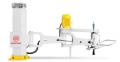
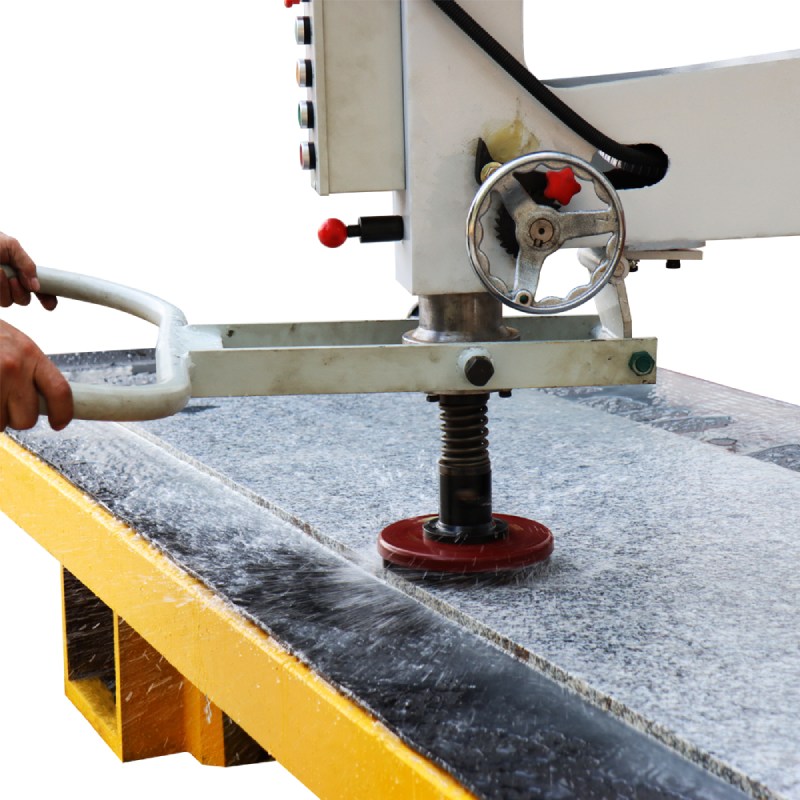
For stone processing, the choice of Grinding and Polishing Tools should match the stone type, machine, required finish and production conditions.
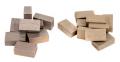
For example, diamond-based tools are commonly used for grinding and polishing stone because they can provide controlled material removal during different stages of the process.
A Practical Approach to Better Polishing Results
When a polished surface does not meet the required finish, do not immediately increase pressure or polishing time.
Start by checking the surface condition and identifying the actual defect.
Then:
1. Determine whether the problem comes from the material or polishing process.
2. Remove the defective surface with a suitable abrasive.
3. Return to a controlled grinding sequence if necessary.
4. Reduce excessive polishing pressure.
5. Control heat during mechanical polishing.
6. Use the appropriate abrasive for each polishing stage.
7. Stop polishing once the required surface finish has been achieved.
A controlled polishing process is generally more reliable than simply applying more pressure or spending more time on the same polishing stage.
What Matters Most in the Polishing Process?
Good polishing results come from controlling the entire process rather than relying on polishing pressure alone.
When problems such as orange-peel texture or pitting appear, check the material condition, abrasive, pressure, polishing time, heat and previous grinding stage.
Correcting the underlying cause is usually more effective than continuing to polish the defective surface.
For stone processing, the machine, abrasive tools, stone characteristics and operating parameters should also be considered together when setting up the polishing process.
Frequently Asked Questions
Can longer polishing time improve surface quality?
Not always. Excessive polishing time can generate additional heat and may make some surface defects worse. The polishing time should match the material and the required finish.
Why does a polished surface develop an orange-peel texture?
Common contributing factors include excessive polishing pressure, excessive polishing time and heat buildup. Material properties and abrasive conditions can also affect the result.
What should I do if the surface becomes worse during polishing?
Do not simply increase the polishing pressure. Remove the defective layer with an appropriate abrasive, then continue with a controlled grinding and polishing sequence.
What causes small pits after polishing?
Possible causes include hard inclusions, rust, surface contamination and inadequate preparation of the original surface. Excessive polishing can also make these defects more noticeable.
How can polishing defects be reduced?
Control polishing pressure and time, use suitable abrasives, keep the surface clean, control heat and make sure the previous grinding stage has produced a uniform surface before moving to finer polishing.