

Stone quarrying is a large-scale, systematic undertaking that requires a significant investment of both human and material resources. The preliminary preparatory work conducted prior to extraction is of paramount importance; if these initial steps are not executed properly, the mine's investors could face substantial financial losses. So, what exactly does this preliminary preparatory work for stone quarrying entail?
1. Exploration
As is widely known, there are hundreds—if not thousands—of different types of stone, each varying in value. Before extraction begins, appropriate exploration methods must be employed to identify the specific stone variety, chemical composition, color, hardness, and other physical properties. This process aims to preliminarily ascertain the stone reserves and culminates in the issuance of a comprehensive exploration report. This report serves as the basis for evaluating the mine's investment potential and determining whether or not to proceed with the investment.
2. Determining the Quarrying Plan
There are numerous methods for quarrying stone. Traditional methods include blasting, flame cutting, and the line-drilling and splitting technique. Mechanized methods—which currently represent the mainstream approach—include chain-arm sawing, large-diameter circular sawing, and diamond wire sawing. The specific quarrying method selected must be determined through a comprehensive assessment of various factors, including the findings of the exploration report, the characteristics of the ore body, the external conditions of the mine site, and the financial capacity of the mine owner. Based on these considerations, a detailed and rational quarrying plan is formulated.
3. Procurement of Quarrying Equipment
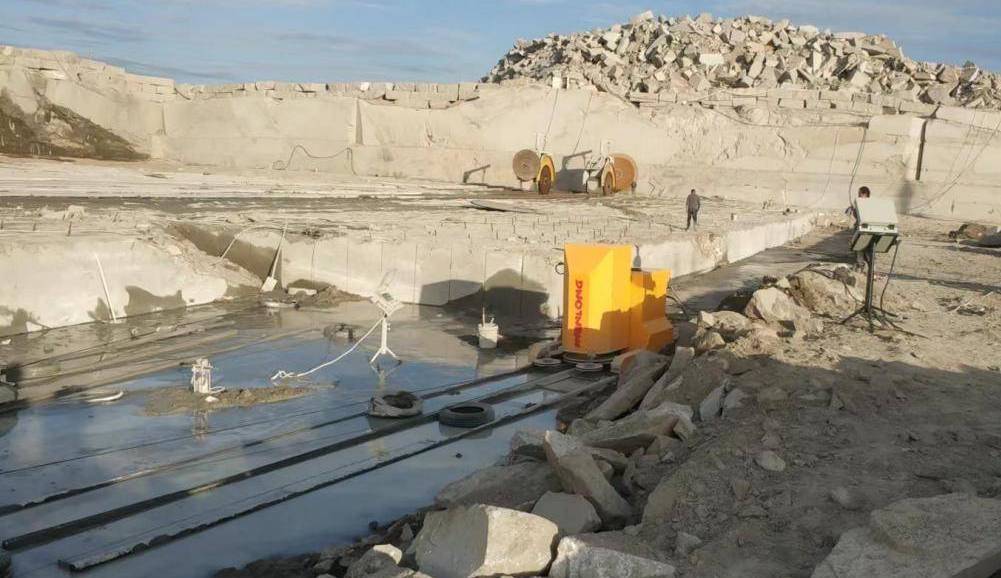
Based on the established quarrying plan, it is necessary to procure the requisite equipment. This includes machinery such as down-the-hole (DTH) drills, diamond wire saws, rock drills, air compressors, excavators, and loaders, as well as power supply and water supply systems, and maintenance tools. For mines located in areas with limited power access or frequent power outages, backup generators are also an essential requirement. Purchasing all the necessary machinery and equipment in a single batch constitutes a massive capital outlay; therefore, mine owners may opt to procure equipment in stages, aligning purchases with the actual progress of the quarrying operations. In situations where capital is limited, certain pieces of equipment—such as excavators and loaders—may be acquired through leasing arrangements.
4. Recruiting a Quarrying Team
Professional tasks are best handled by professionals. Building an in-house quarrying team from scratch requires a significant investment of time and effort in the recruitment process. Furthermore, once the team has been assembled, a certain period of adjustment and team-building is typically required before operations run smoothly—a process that can potentially impact the overall progress of the quarrying project. Some mine owners opt to contract out their mining operations to professional extraction teams. The size of the workforce is determined by the scale of the mine, though it is also heavily influenced by the skill level of the workers and the overall standard of mine management. It is essential to have an experienced mine manager who can rationally allocate equipment and personnel based on the mine's production output. For investors with no prior experience in stone mining, it is highly recommended to entrust the operation of the mine to a professional extraction team.
5. Infrastructure Construction
Based on the mine's terrain, construct access roads, build essential facilities—such as dormitories and offices—and install power and water supply systems.
Once the aforementioned preliminary preparations are complete, the actual stone extraction work can commence.